The short answer
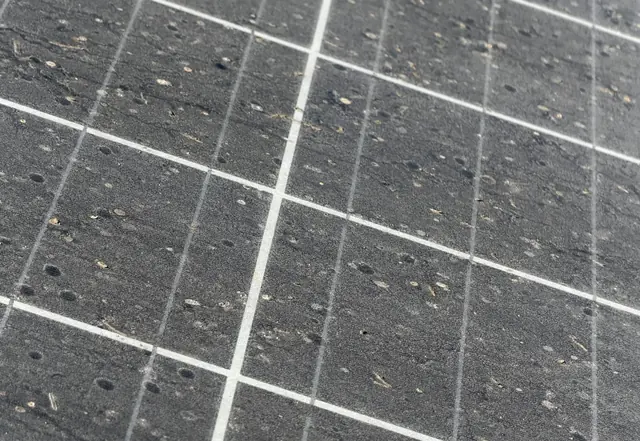
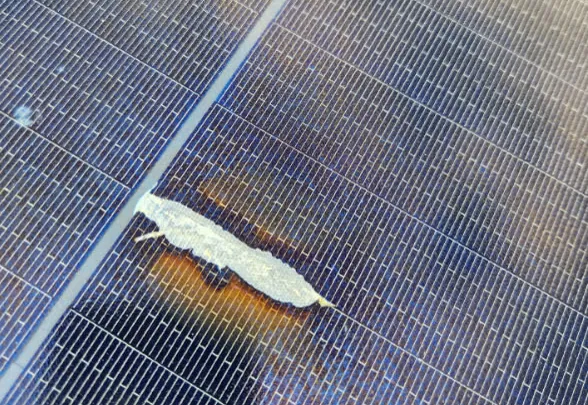
Yes. Bird droppings are solid, so they block the light to the cells beneath them almost completely. Because cells are wired together, one blocked cell can hold back others in the same group. Droppings also bake on in the sun and do not wash off in the rain.
- Droppings block cells completely.
- Rain does not wash them off.
- Soak, soften and brush gently. Never scrape.
Why droppings are worse than dust
Dust is a thin veil. It dims every cell a little, and the panel keeps working at slightly reduced power.
A dropping is different. It is opaque, so the cell under it gets almost no light. That cell stops producing while its neighbors keep trying to push current through it.
Panels have built-in bypass parts to limit the effect, but a section of the panel still drops out. A handful of droppings in the wrong places can cost more than an even layer of dust across the whole array.
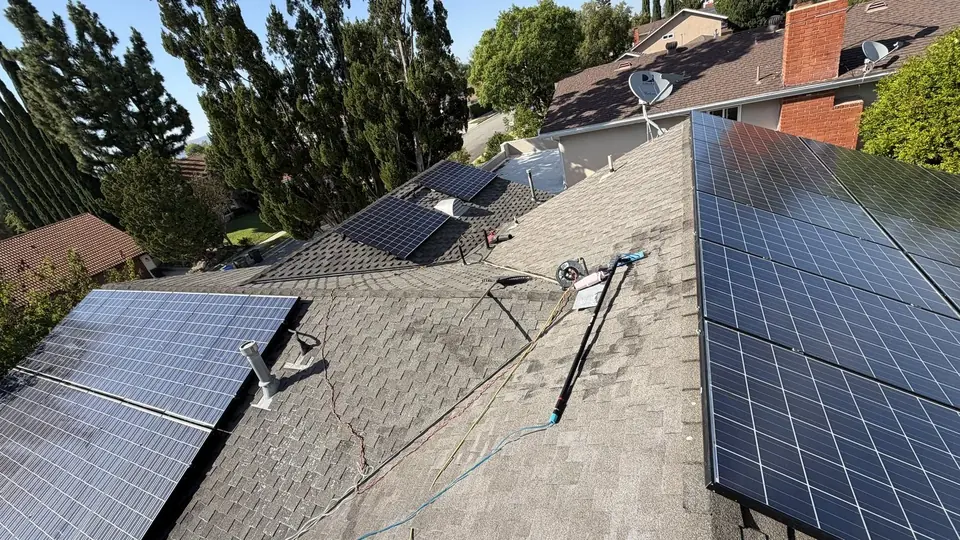
Why birds like solar arrays
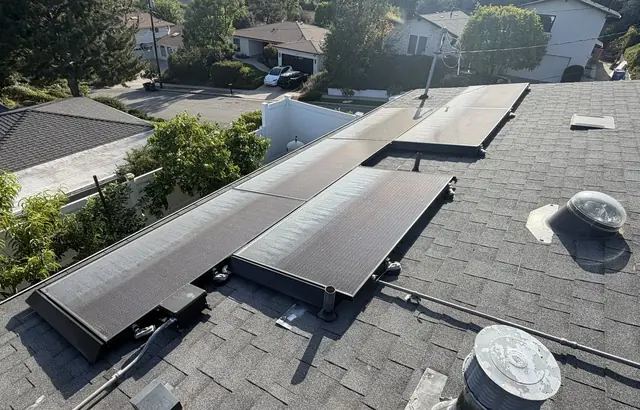
- Shade and shelter. The gap under the panels is dry, shaded and out of the wind.
- A good view. The top edge of an array is a high perch with clear sight lines.
- Warmth. Panels and the roof beneath them hold heat into the evening.
- Nearby food and water. Fruit trees, feeders, fountains and open trash bring birds back daily.
How to remove droppings without damage
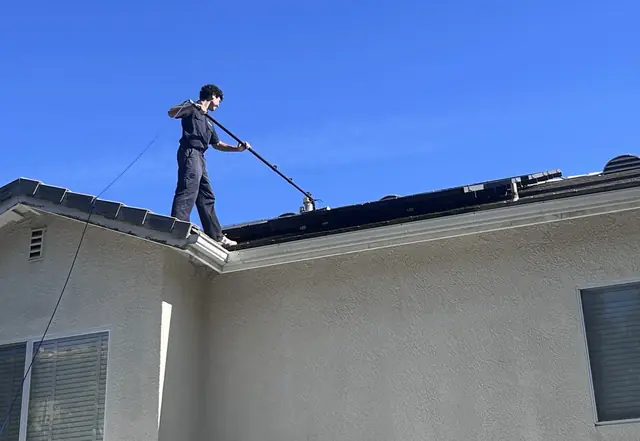
- Wait for cool glass. Early morning is best. Do not spray cold water on hot panels.
- Soak first. Wet the spot and give it a few minutes to soften.
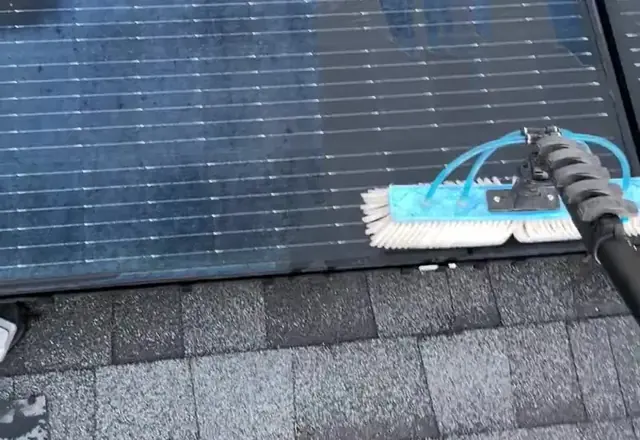
- Use a soft brush. Work it loose gently. Never scrape with a blade or a metal tool.
- Rinse it away. Flush the residue off the bottom edge of the panel.