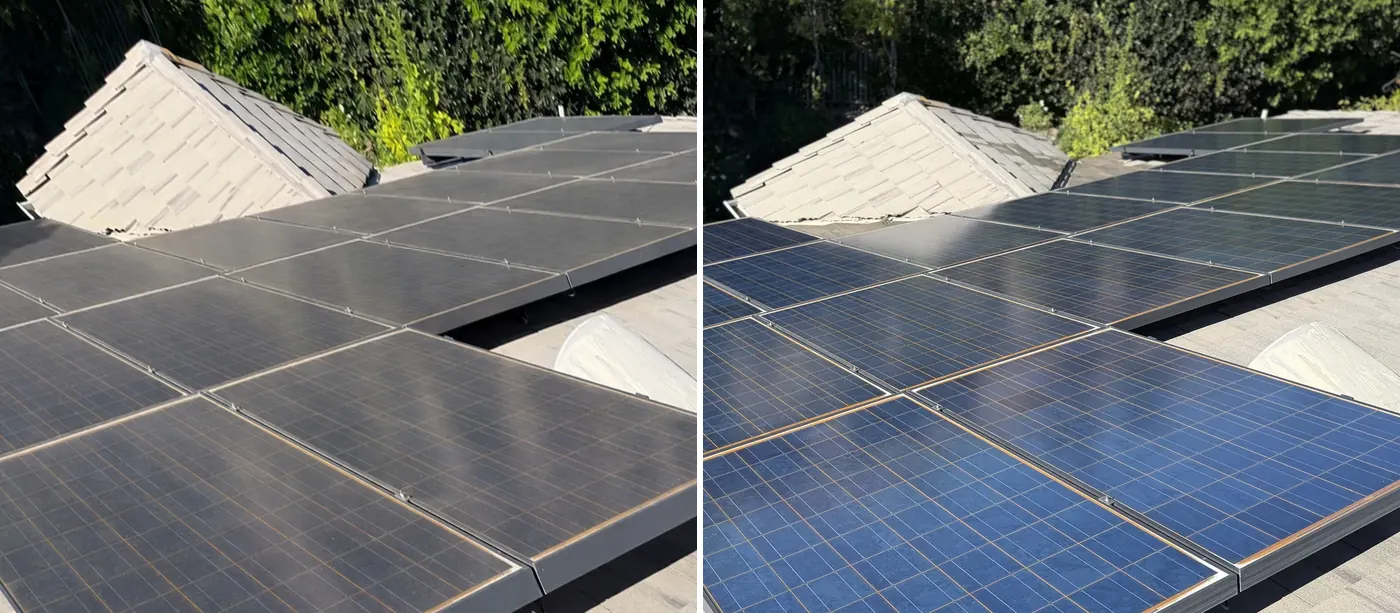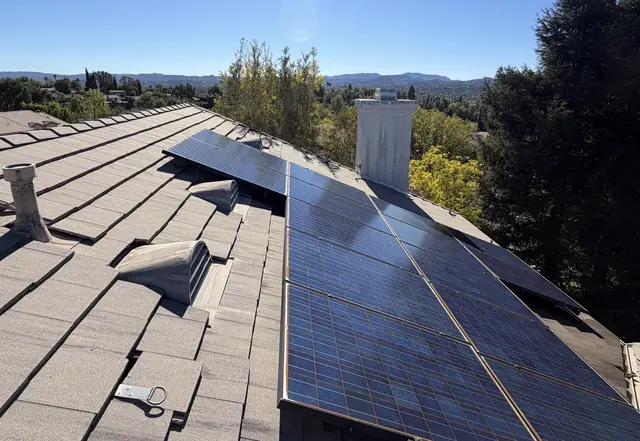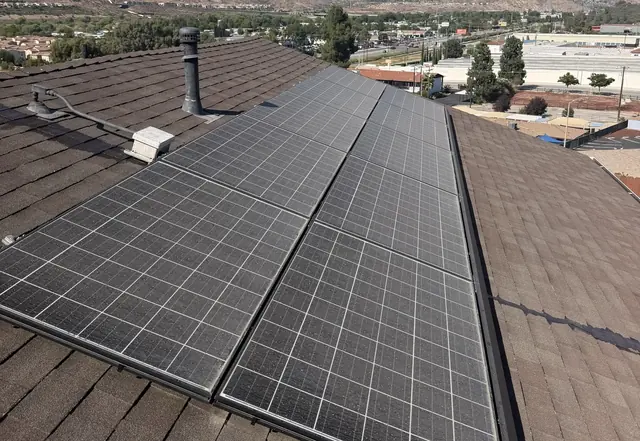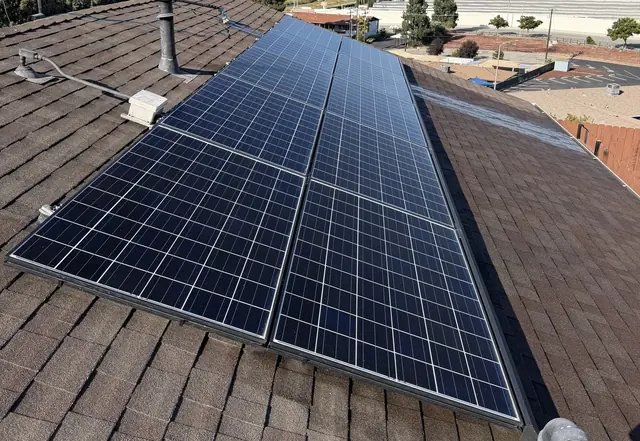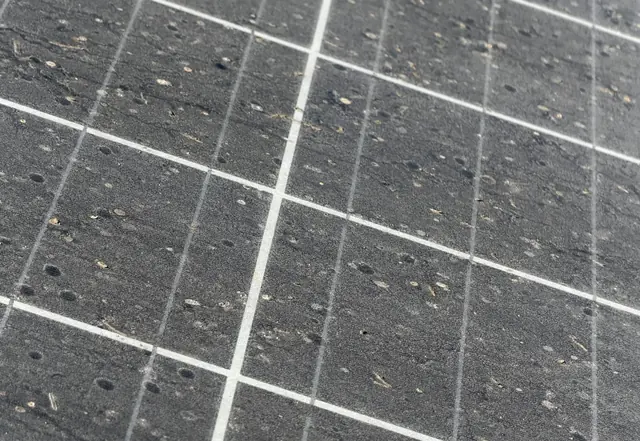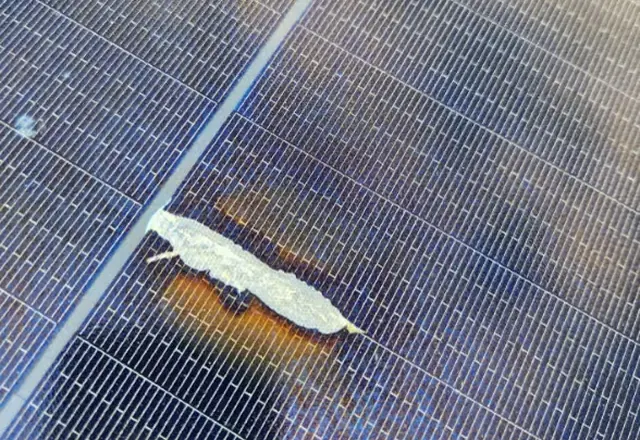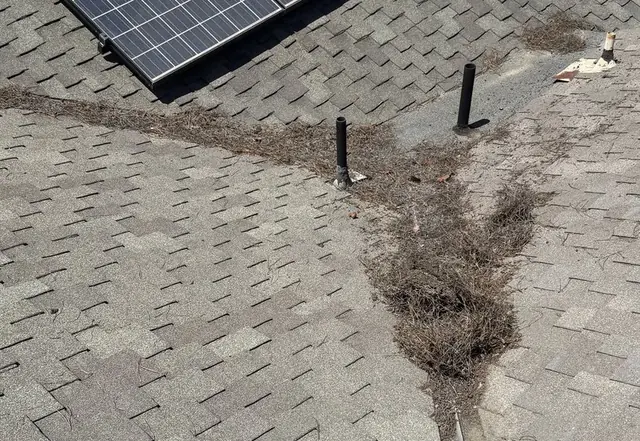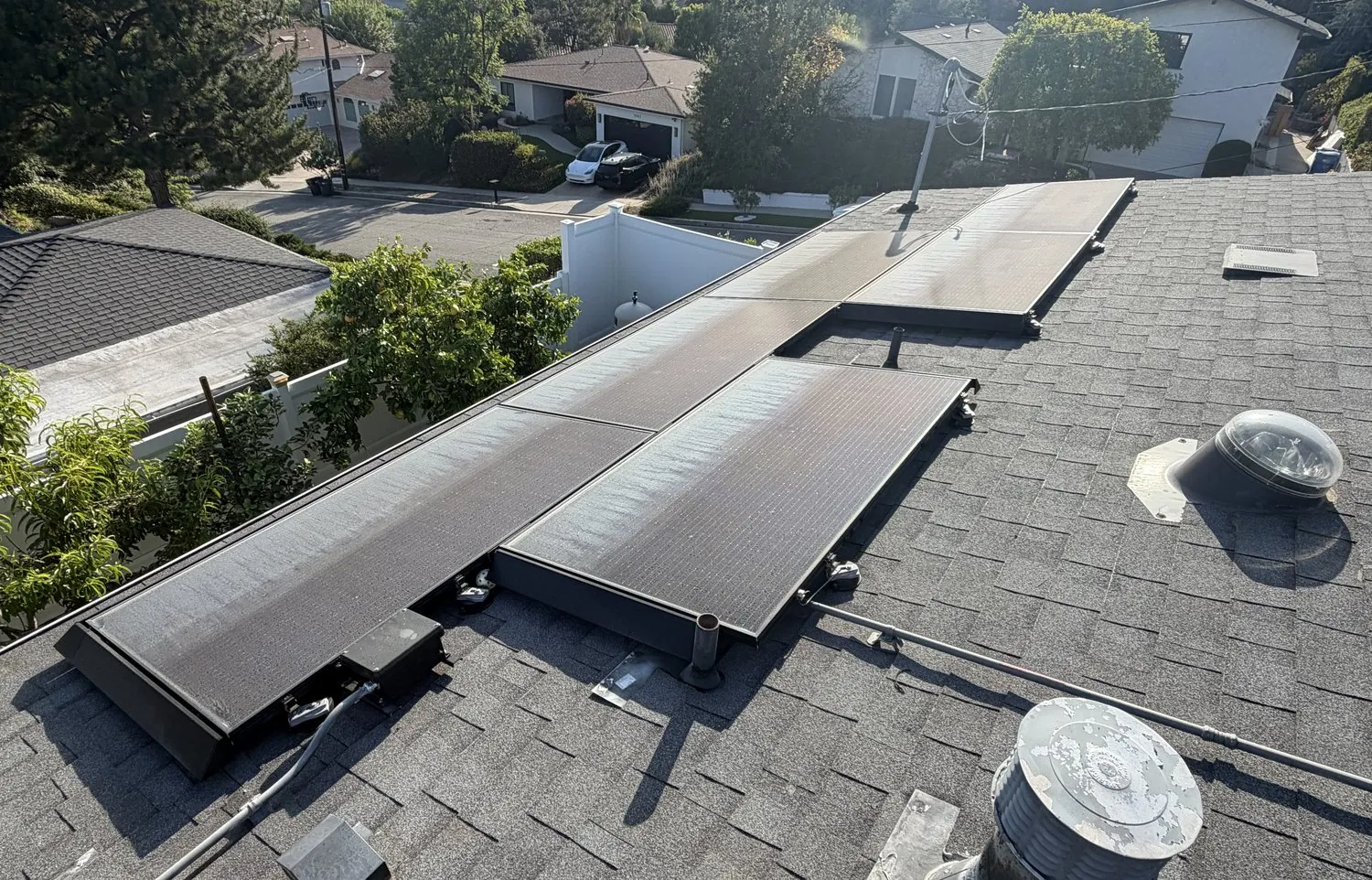
Dirty solar panels usually lose a few percent of their output over a dry season. A UC San Diego study of California sites found an average loss of about 7 percent after 145 days without rain. Panels with heavy dust, a low tilt or bird droppings can lose a good deal more.
- A few percent over a dry season is typical.
- About 7 percent on average in one California study.
- Droppings, low tilt and local dust push it higher.
What the UC San Diego study measured
The researchers tracked solar sites across California through a summer drought.
What an average hides
An average covers a wide range. Many well-tilted panels in clean air lost very little, and for those systems the study found that cleaning was often not worth the cost.
The panels that lost the most had something specific going on: a nearly flat mount, a dirt road or construction nearby, or birds. For those, the loss was large enough to notice on a bill.
So the useful question is not what the average panel loses. It is which kind of site yours is.
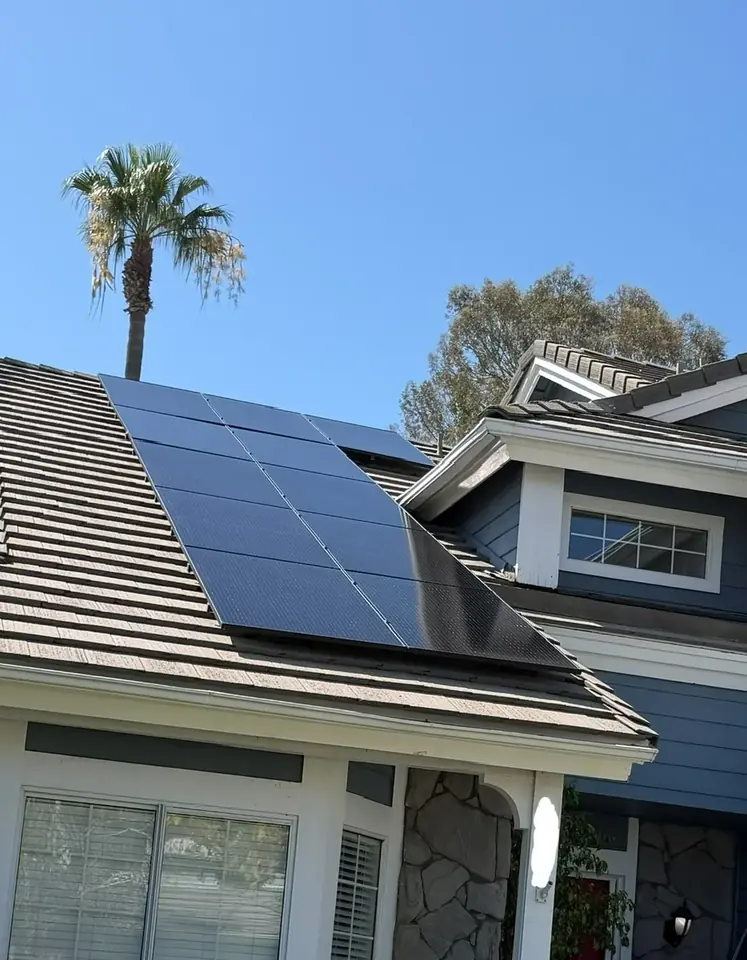
What pushes the loss up
| Factor | Why it matters |
|---|---|
| Flat or low-tilt panels | Dust does not slide off and water pools instead of rinsing |
| Bird droppings | They block cells completely, and one shaded cell can drag down others wired with it |
| Dust sources nearby | Hillsides, unpaved lots, freeways and building sites |
| A long gap since the last rain | The film thickens every week |
| Wildfire ash | A fine, even layer over the whole array |