The short answer
Window cleaning is priced mainly by how many panes there are, how high they are and what condition the glass is in. Adding the inside, screens, tracks or hard-water removal raises the price. A recurring schedule lowers it, because glass that is cleaned regularly takes less time.
- Pane count, height and condition decide most of the price.
- Inside glass, screens, tracks and hard-water removal add to it.
- A recurring plan lowers the price of every visit.
Seven things that change the price
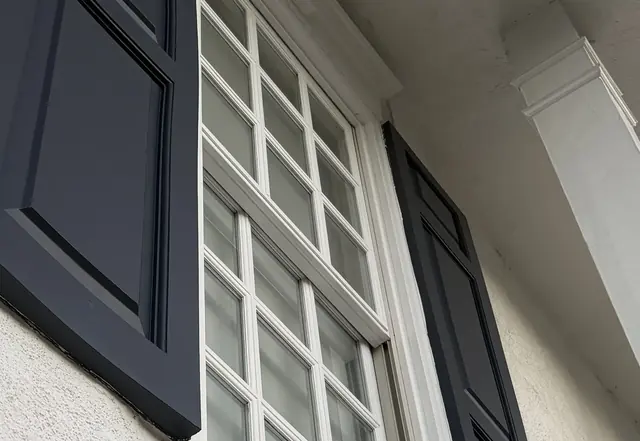
- Number of panes. A window with twelve small panes takes longer than one large sheet of glass, even at the same size.
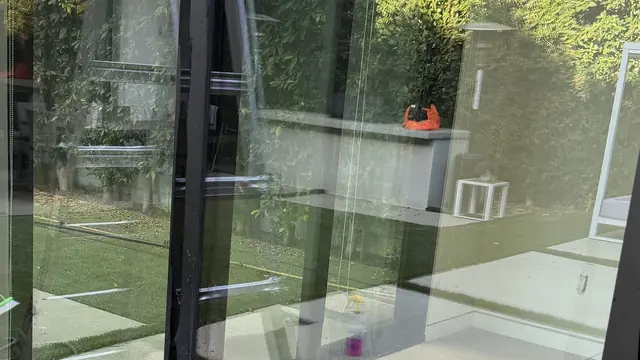
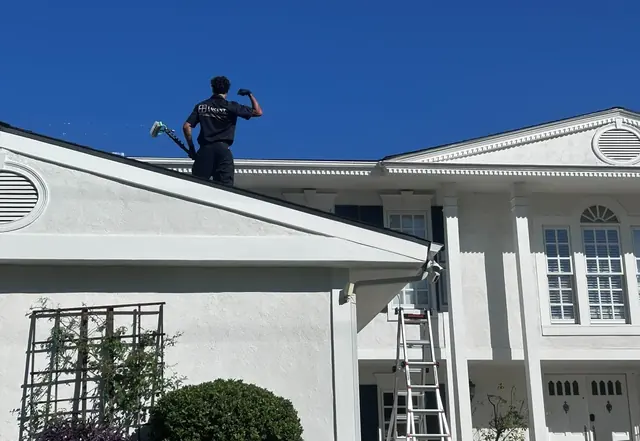
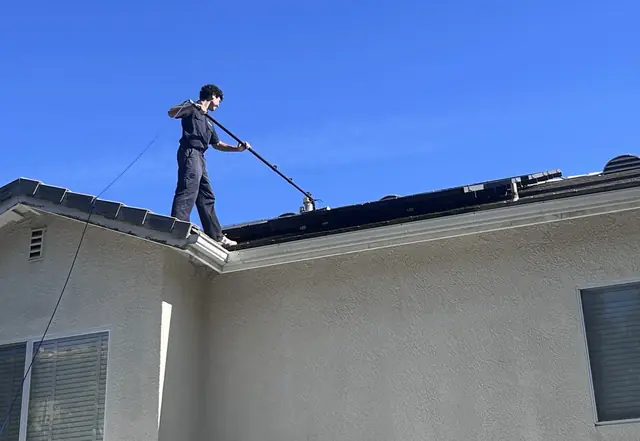
- Height and access. Second-story glass, skylights and windows over a slope or a pool take more time and equipment.
- Outside only, or both sides. Interior glass is detailed by hand, with furniture and blinds to work around.
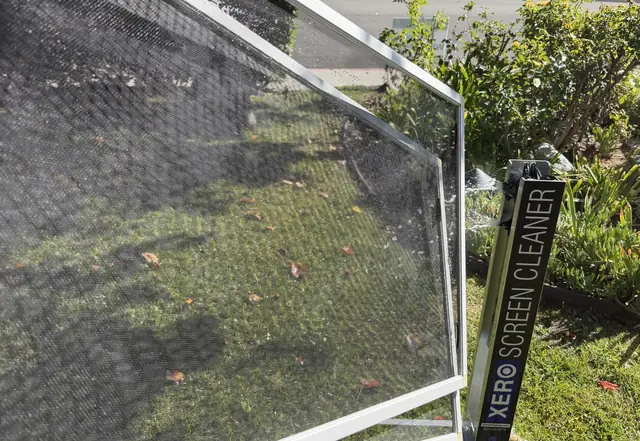
- Screens and tracks. Washing screens and clearing tracks is part of a full clean, and some quotes leave it out.
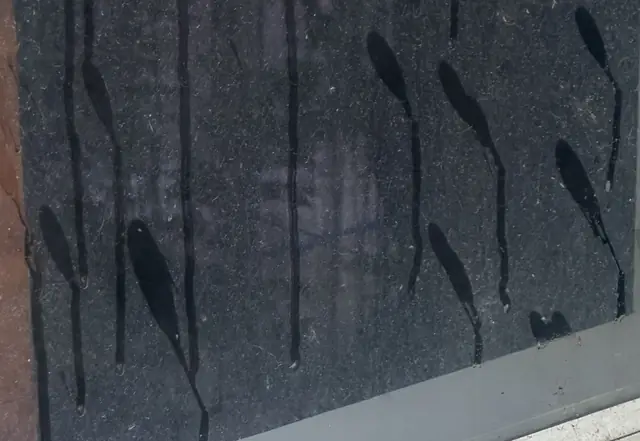
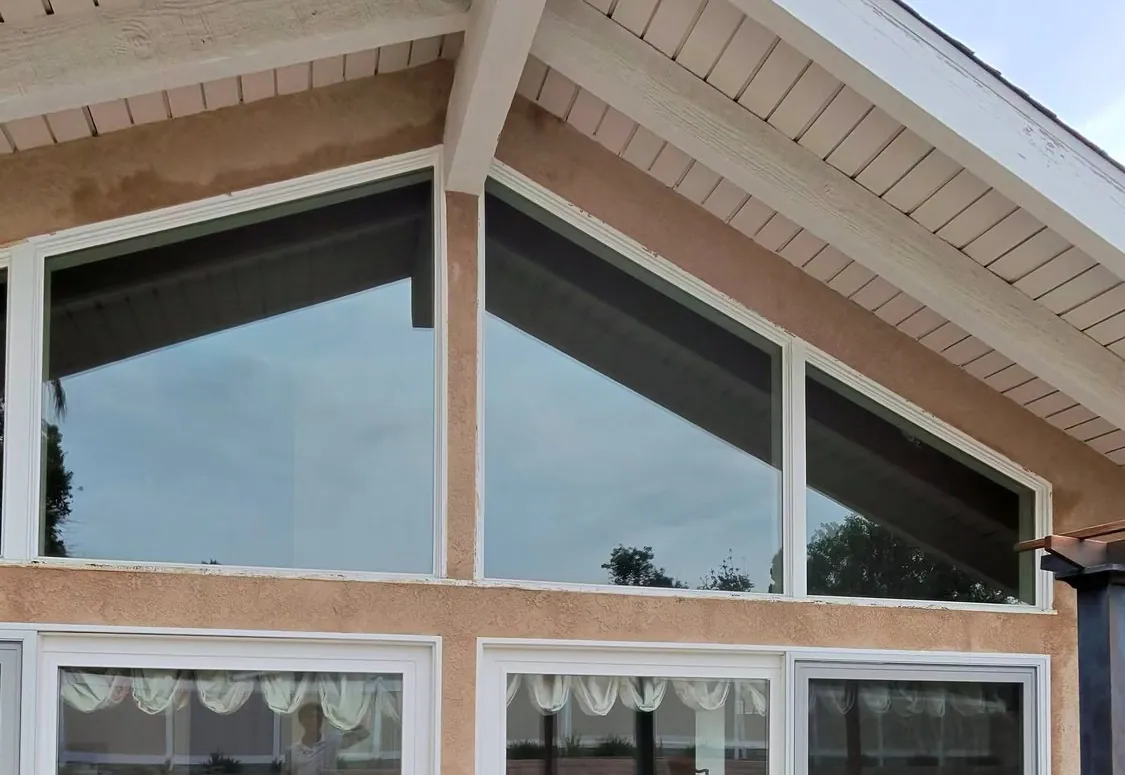
- Condition of the glass. Hard-water stains, paint or construction dust need extra steps before the normal clean.
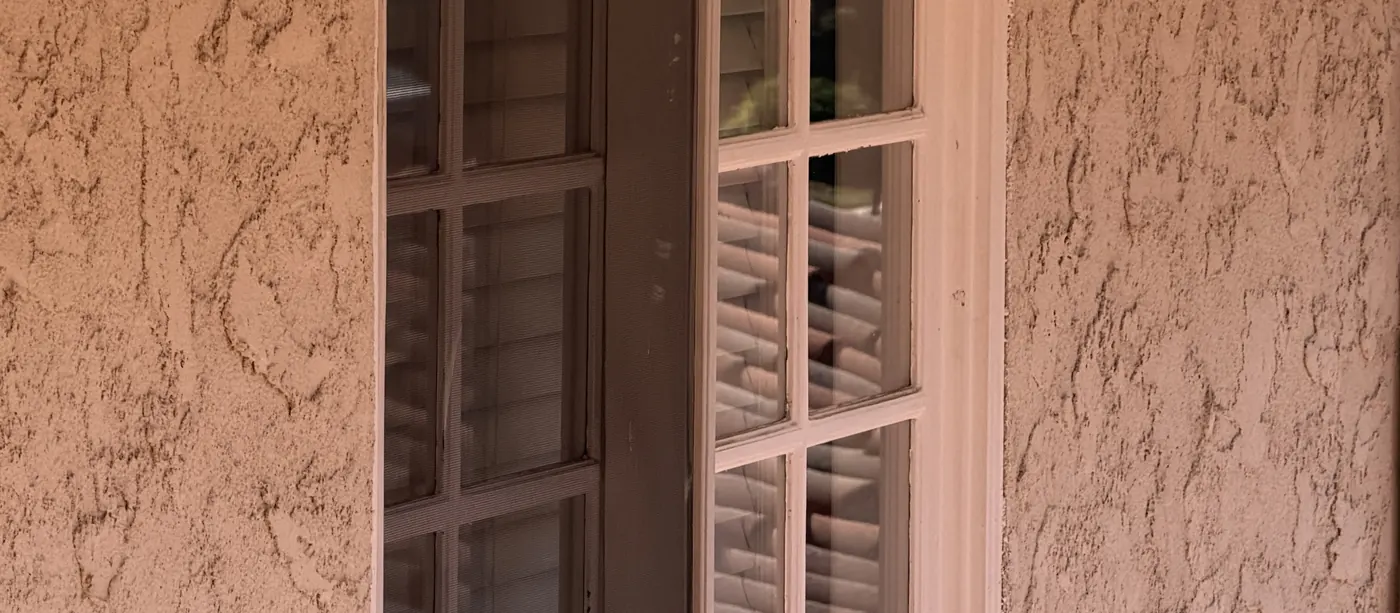
- Type of window. French panes, louvers and storm windows have far more edges to detail.
- How often you clean. Glass on a schedule is quicker to clean, so recurring visits usually cost less each time.
Questions to ask before you compare two quotes
A lower number often just means less is included.
- Does the price include screens, tracks and sills?
- Is it the outside only, or inside and out?
- Is hard-water spot removal included or extra?
- Is the company licensed and insured?
- Is there a guarantee if spots show up after it dries?
- Is the price exact, or an estimate that can change on the day?
How Lucent quotes
We price every home on its own, because no two have the same windows. Send your address and we reply with a free, exact price, normally the same day.
There is no pressure to book, and the price you are given is the price you pay.